
Hear from Our Customers
You can’t fix what you can’t see. And mold doesn’t always show up where you’d expect it.
It hides behind walls, under flooring, inside HVAC systems. You might smell it before you see it. Or you might not notice anything at all until someone in your house starts coughing more than usual.
That’s where professional mold testing comes in. We collect air and surface samples from your property, send them to a certified lab, and get you results that actually mean something. You’ll know what type of mold you’re dealing with, how much of it is there, and whether it’s something you need to act on right now or just keep an eye on.
No scare tactics. No upselling. Just clear information so you can decide what happens next.
We’ve been helping homeowners in Lodi, PA and the surrounding Bucks County area figure out if they have a mold problem—and how serious it is.
We’re not here to sell you a full remediation job if you don’t need one. In fact, a good portion of the homes we test end up needing minor fixes, not major work. But you won’t know that without testing.
Pennsylvania’s climate makes mold growth more common than most people realize. Humid summers, older homes with poor ventilation, and temperature swings that cause condensation—it all adds up. We’ve seen it in basements, crawl spaces, attics, and behind bathroom tile. If you’re in Lodi or anywhere nearby, chances are your home is at risk.
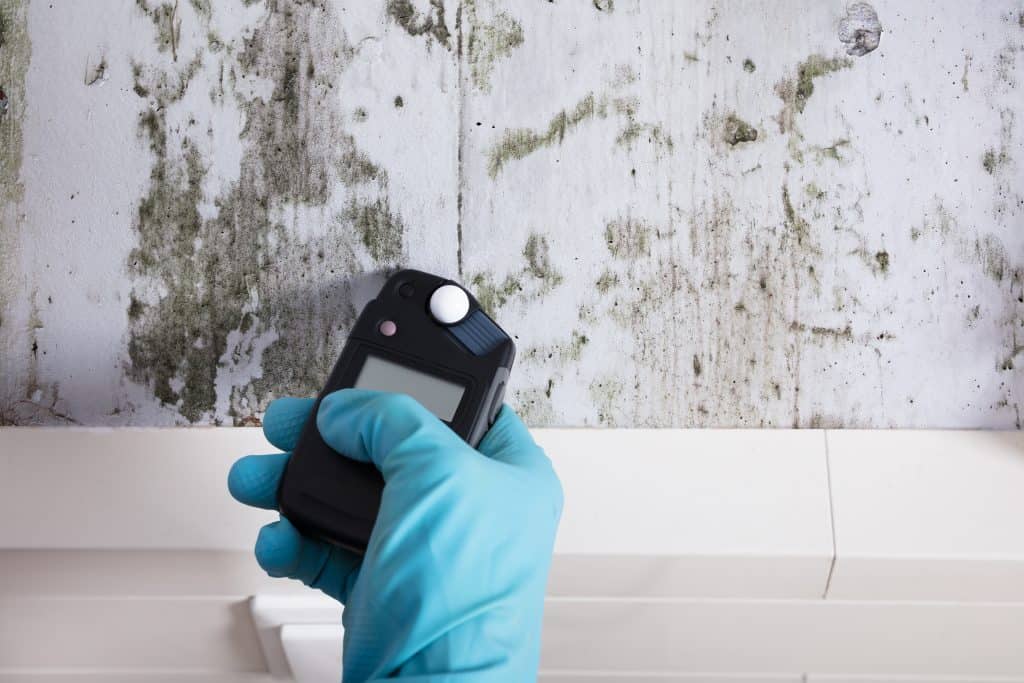
First, we come out and do a visual inspection. We’re looking for obvious signs—discoloration, water damage, musty smells. But we’re also checking places most people don’t think to look.
Then we collect samples. Air samples tell us what’s floating around that you’re breathing in. Surface samples tell us what’s growing on walls, floors, or other materials. We use professional-grade equipment, not the cheap kits you’d buy at a hardware store.
Those samples go to an independent lab for analysis. Within a few days, we get back a detailed report that identifies the types of mold present and the concentration levels. We walk you through what it all means in plain language.
If remediation is needed, we’ll tell you what that looks like. If it’s not, we’ll tell you that too. Either way, you’ll have documentation you can use for insurance, real estate transactions, or just your own records.
Ready to get started?
You’re not just paying for someone to show up with a swab. You’re getting a full assessment of your indoor air quality and any visible or hidden mold growth in your home.
Here in Lodi and the rest of Bucks County, we deal with a lot of older housing stock. Homes built before modern moisture barriers were standard. Basements that weren’t designed to stay dry. Attics with poor airflow. These aren’t defects—they’re just how homes were built back then. But they do create conditions where mold can take hold fast.
Our testing covers the areas most likely to have problems based on your home’s age, layout, and any recent water issues you’ve had. We also factor in Pennsylvania’s humidity levels, which spike in summer and create the perfect environment for mold to spread.
You’ll get a written report with lab results, photos, and our professional recommendations. If there’s a problem, you’ll know exactly where it is and what needs to happen. If there’s not, you’ll have proof of that too.
Most residential mold testing runs between $300 and $1,000 depending on the size of your home and how many samples we need to collect.
If you’ve got a small area of concern—like one bathroom or a corner of the basement—it’s going to be on the lower end. If you need a whole-house assessment with multiple air samples and surface tests, it’ll cost more.
That might sound like a lot upfront, but compare it to the cost of guessing wrong. Full mold remediation can run several thousand dollars. Medical bills from prolonged exposure can be even worse. And if you’re buying or selling a home, a professional mold test can save you from a deal falling apart or a lawsuit down the road.
You can, but you’re probably not going to get useful information from it.
Most DIY kits only test surfaces, not air quality. They don’t tell you how much mold is present or whether the levels are actually dangerous. And they don’t come with any expert analysis—you’re left trying to interpret results on your own.
Worse, they’re notorious for false positives. Mold spores exist everywhere. A DIY test might show mold is “present,” but that doesn’t mean you have a problem. Professional testing measures concentration levels and identifies specific mold types, which is what actually matters when deciding if you need to take action.
If you’re serious about knowing what’s in your home, skip the $40 kit and get real testing done.
The most common types we find are Cladosporium, Penicillium, Aspergillus, and Stachybotrys—which is the one people call “black mold.”
Cladosporium usually shows up in damp areas like bathrooms and basements. It’s one of the most common indoor molds and can trigger allergies and asthma. Penicillium loves water-damaged materials like drywall and carpet. Aspergillus is another frequent one, especially in homes with poor ventilation.
Stachybotrys is the one that gets the most attention because it can produce mycotoxins that cause serious health problems. It’s less common than the others, but when it shows up, it’s usually in areas that have had long-term water damage—think leaky roofs, flooding, or chronic condensation.
The only way to know for sure what you’re dealing with is to test. Visual identification isn’t reliable, and different mold types require different approaches to removal.
Lab results typically come back within 24 to 72 hours after we collect the samples.
The timeline depends on the lab’s current workload and what types of tests are being run. Air samples and surface samples are usually processed quickly. If we’re doing more specialized testing—like testing inside walls or HVAC systems—it might take a bit longer.
Once we get the results, we’ll reach out to schedule a time to go over them with you. We don’t just email you a report and leave you to figure it out. We walk through what the lab found, what it means for your home, and what your options are.
If the results show high mold levels or toxic mold types, we’ll prioritize getting you that information as fast as possible so you can make decisions quickly.
Not always, but it depends on what you’re trying to accomplish.
If there’s visible mold and you’re planning to have it removed anyway, testing might not be necessary. You already know you have a problem. The next step is remediation, not more investigation.
But testing can still be valuable even when mold is visible. It tells you whether the mold you can see is the only mold in your home, or if there’s more hiding somewhere else. It identifies the specific type, which can affect how it needs to be removed. And it gives you a baseline so you can retest after remediation to confirm the problem is actually gone.
Testing is also useful if you’re dealing with insurance claims, legal issues, or real estate transactions. Documentation from a certified lab carries a lot more weight than photos of a moldy wall.
The testing itself identifies what’s growing and how much of it is there. The inspection that goes along with it is where we figure out the “why.”
Mold needs moisture to grow. Always. So when we’re at your property, we’re looking for the moisture source—leaky pipes, roof damage, poor drainage, condensation, high humidity, whatever it is.
In Bucks County, we see a lot of mold problems tied to basement moisture and attic condensation. Older homes weren’t built with the same moisture control standards we have now. Add in Pennsylvania’s humid summers and you’ve got conditions where mold can establish itself in 24 to 48 hours after water exposure.
Finding the source is just as important as identifying the mold. If you remove the mold but don’t fix the moisture problem, it’s just going to come back. We’ll point out what’s causing it so you can address the root issue, not just the symptoms.
Other Services we provide in Lodi